
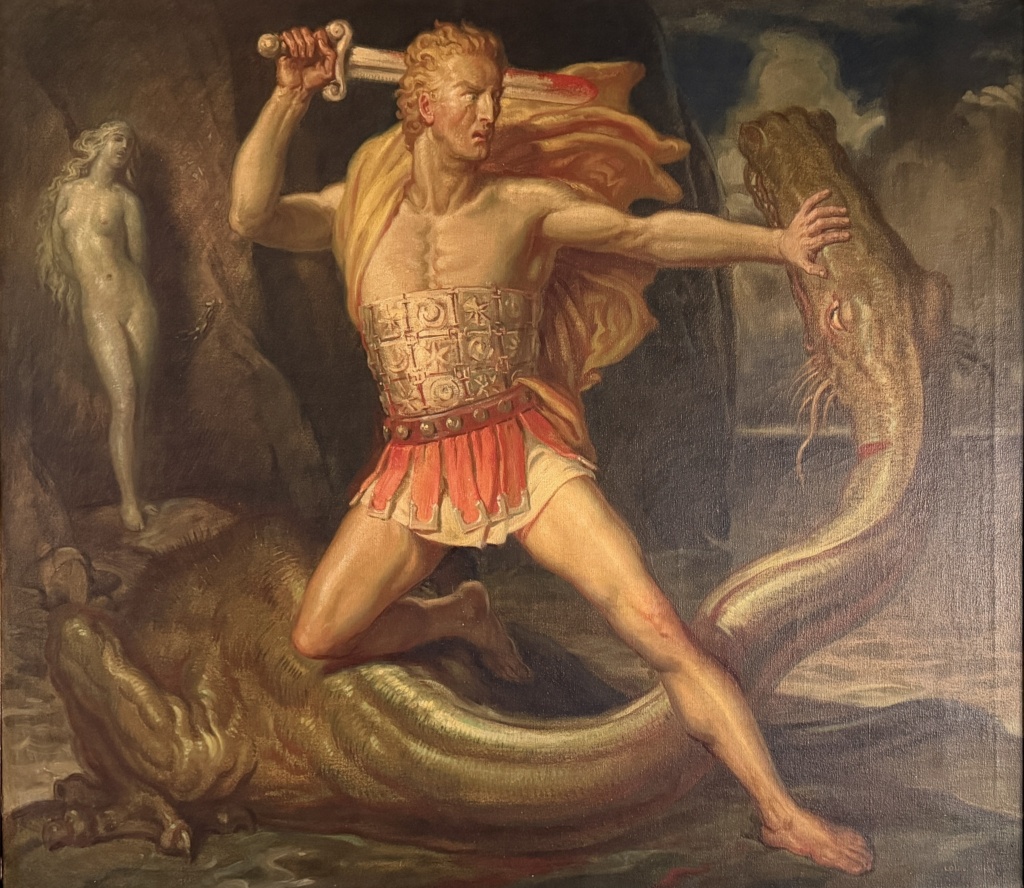
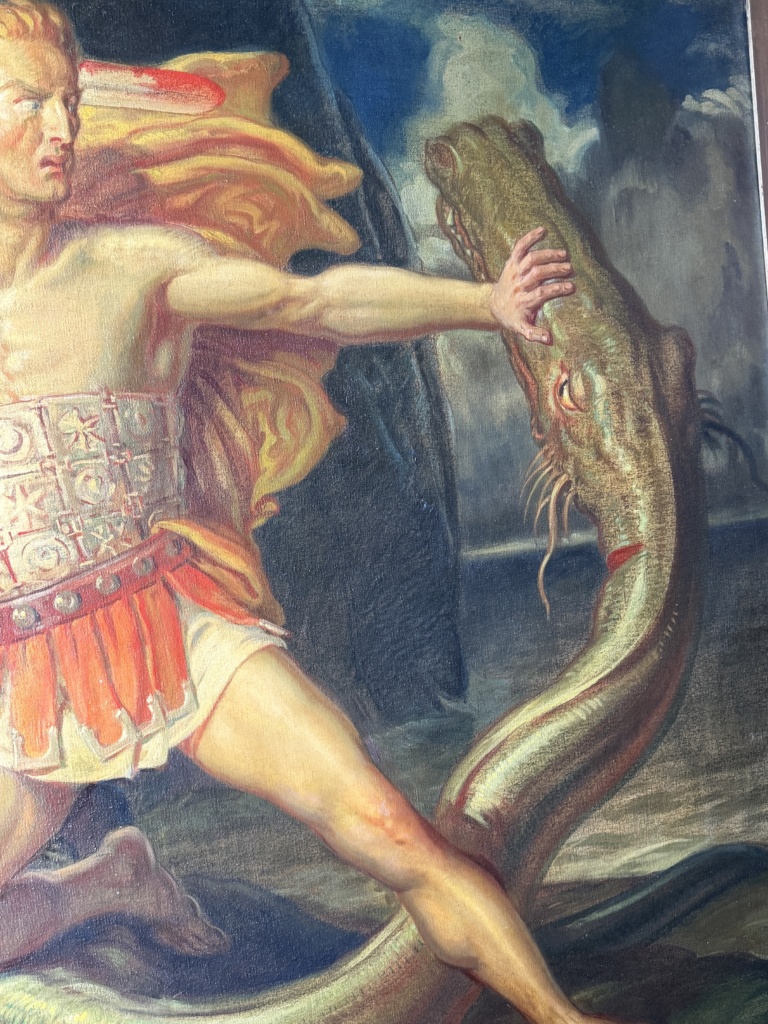
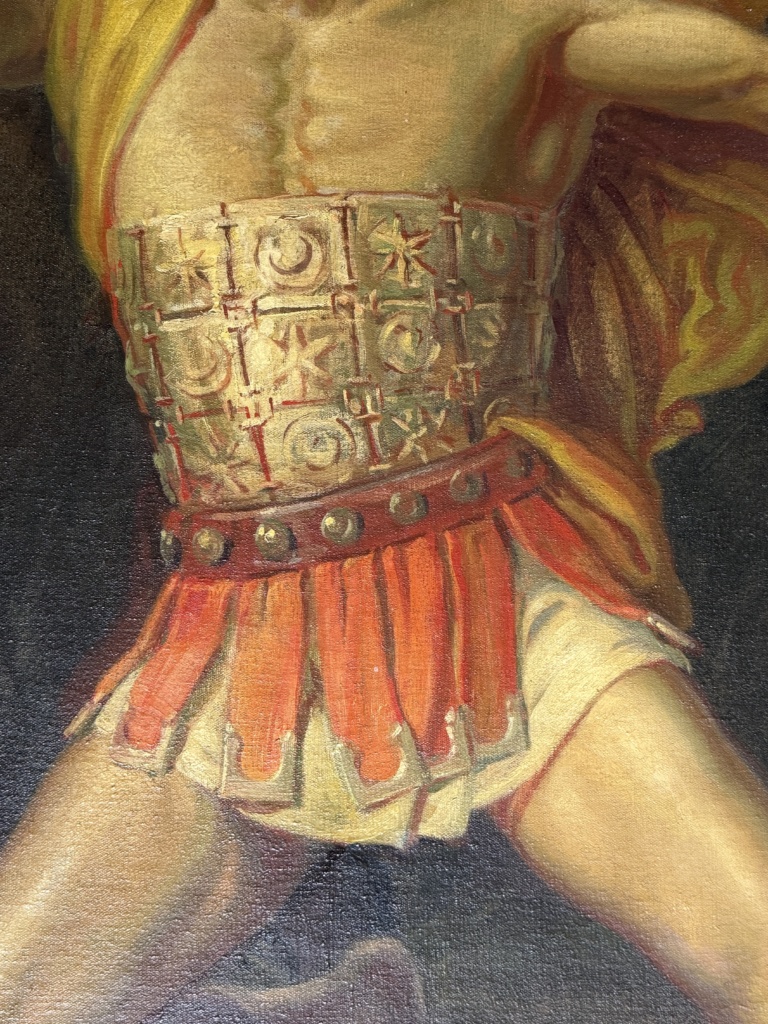
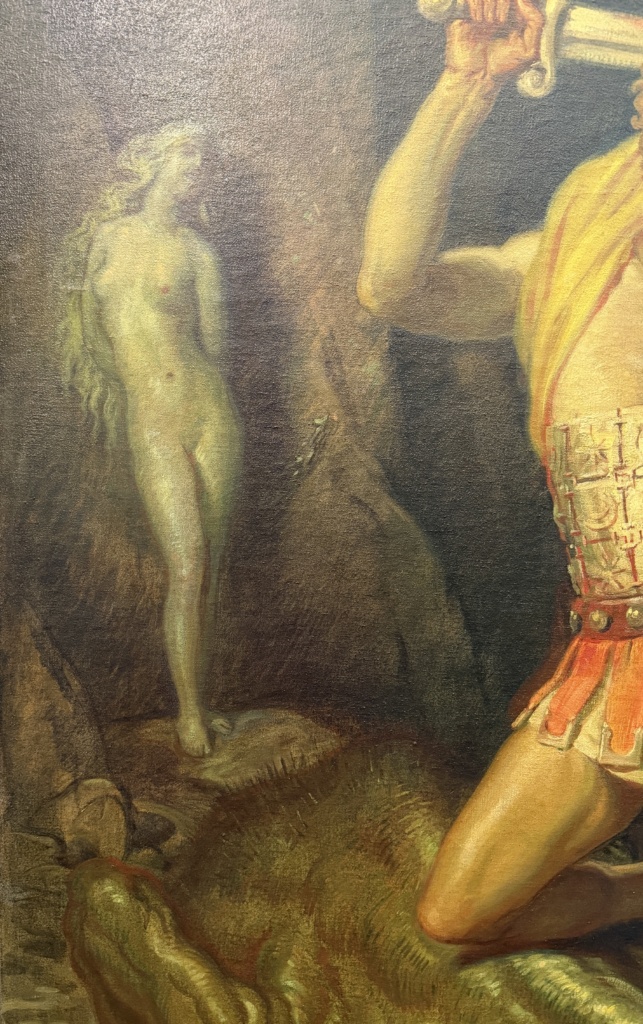
The ancient Greek myth of Perseus and Andromeda tells the dramatic story of a hero who rescues a beautiful princess from a terrifying sea monster.
Andromeda was the daughter of King Cepheus and Queen Cassiopeia of Aethiopia. When Cassiopeia boasted that her daughter surpassed the Nereids, or sea nymphs, in beauty, the boast angered Poseidon, god of the sea. As punishment, Poseidon sent the monstrous Cetus to ravage the kingdom’s coastline.
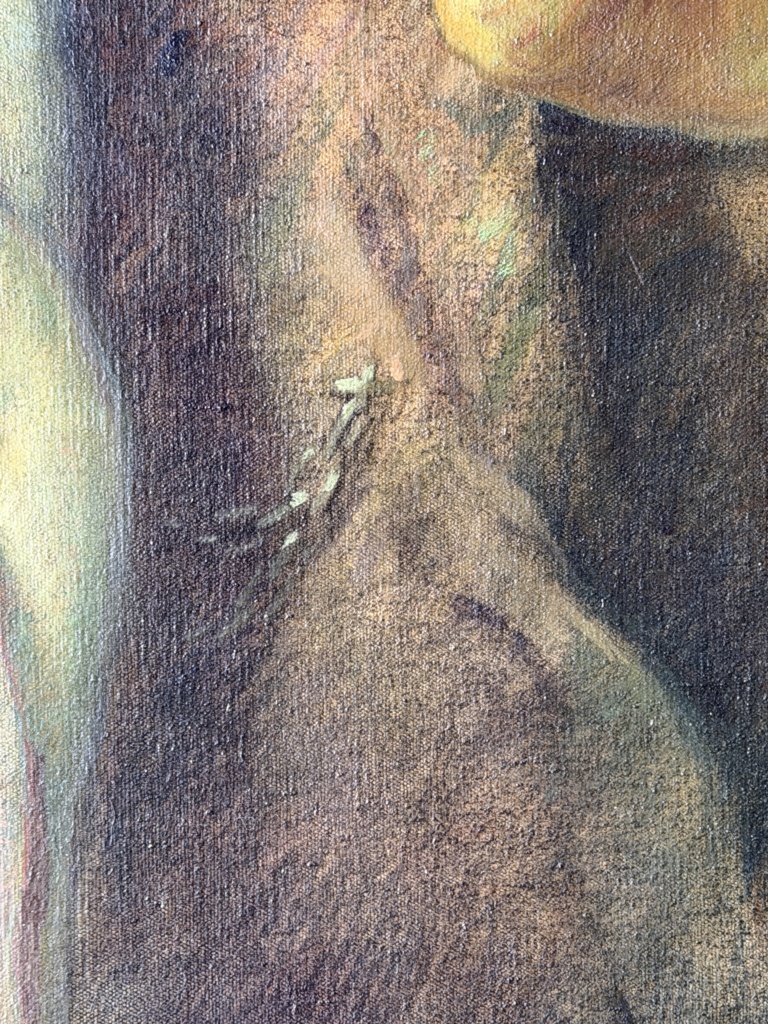
Desperate to save his people, King Cepheus consulted an oracle and learned that the kingdom could be spared only by sacrificing Andromeda to the monster. The princess was chained to a seaside rock and left awaiting her fate.
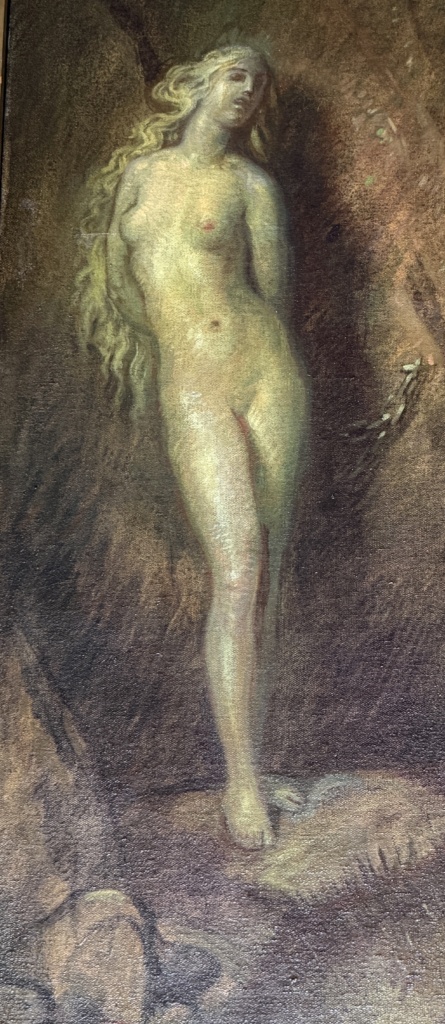
Meanwhile, Perseus was returning from his quest to slay Medusa, the fearsome Gorgon whose gaze could turn living creatures to stone. Flying above the coast, he discovered Andromeda chained to the rock and immediately fell in love with her. After securing her father’s promise of marriage, Perseus confronted Cetus and rescued the princess.
Ancient accounts differ in their descriptions of the battle. In some versions, Perseus attacks the monster with his curved sword, known as a harpe. In others, he uses the severed head of Medusa to turn the creature to stone. Both weapons became enduring elements of the myth’s artistic tradition.
With Cetus defeated, Andromeda was freed and eventually became the wife of Perseus. Their story has inspired artists for centuries, combining heroic adventure, divine punishment, sacrifice, and the triumph of love.
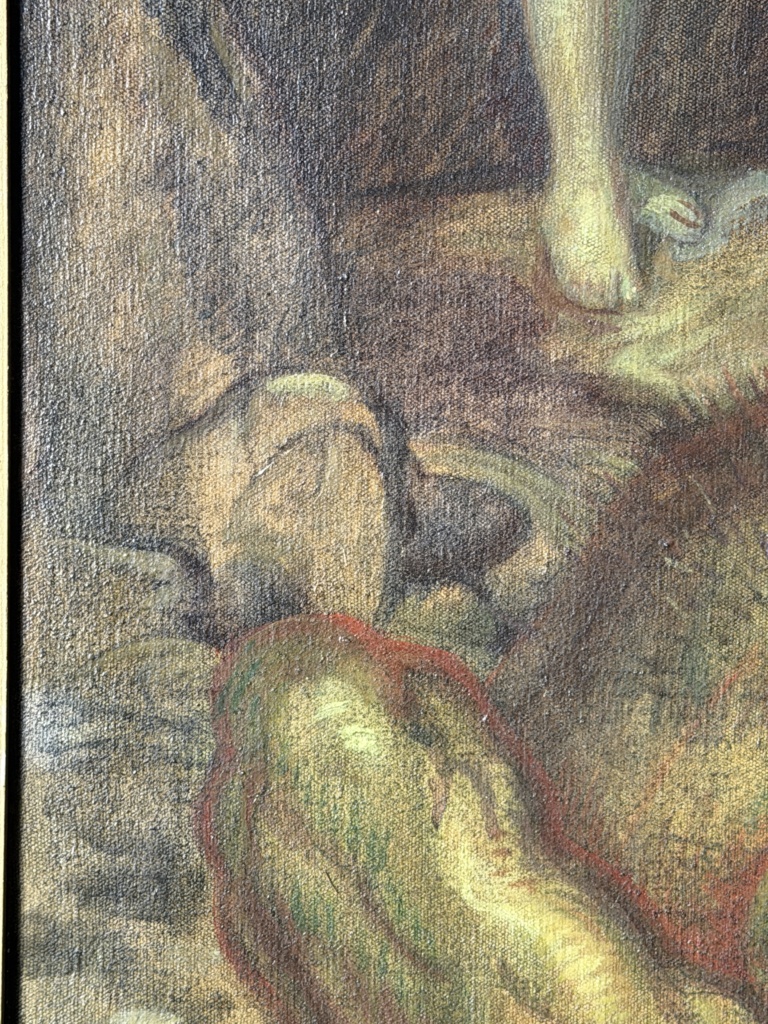
Louis Grell returned to this classical subject in his 1932 oil painting, Perseus Freeing Andromeda, continuing the long artistic tradition of depicting one of Greek mythology’s most celebrated rescues.
Artwork Details
Artist: Louis Grell (1887–1960)
Title: Perseus Freeing Andromeda
Date: 1932
Medium: Oil on canvas
Dimensions: 44 × 50 inches (height × width)
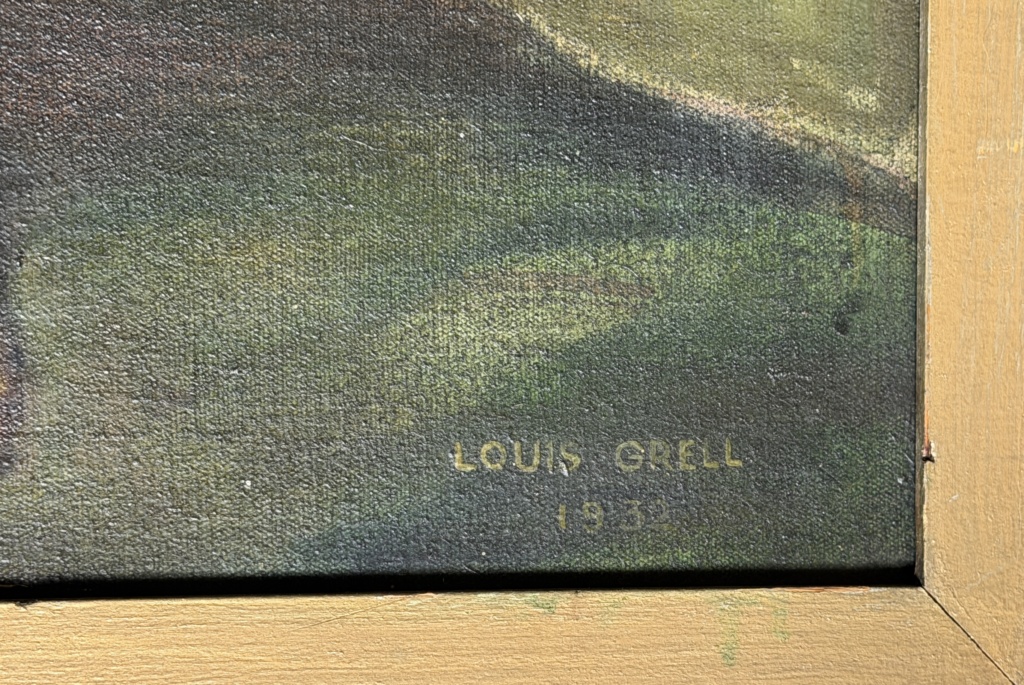
Signature: Signed and dated lower right, “Louis Grell 1932”
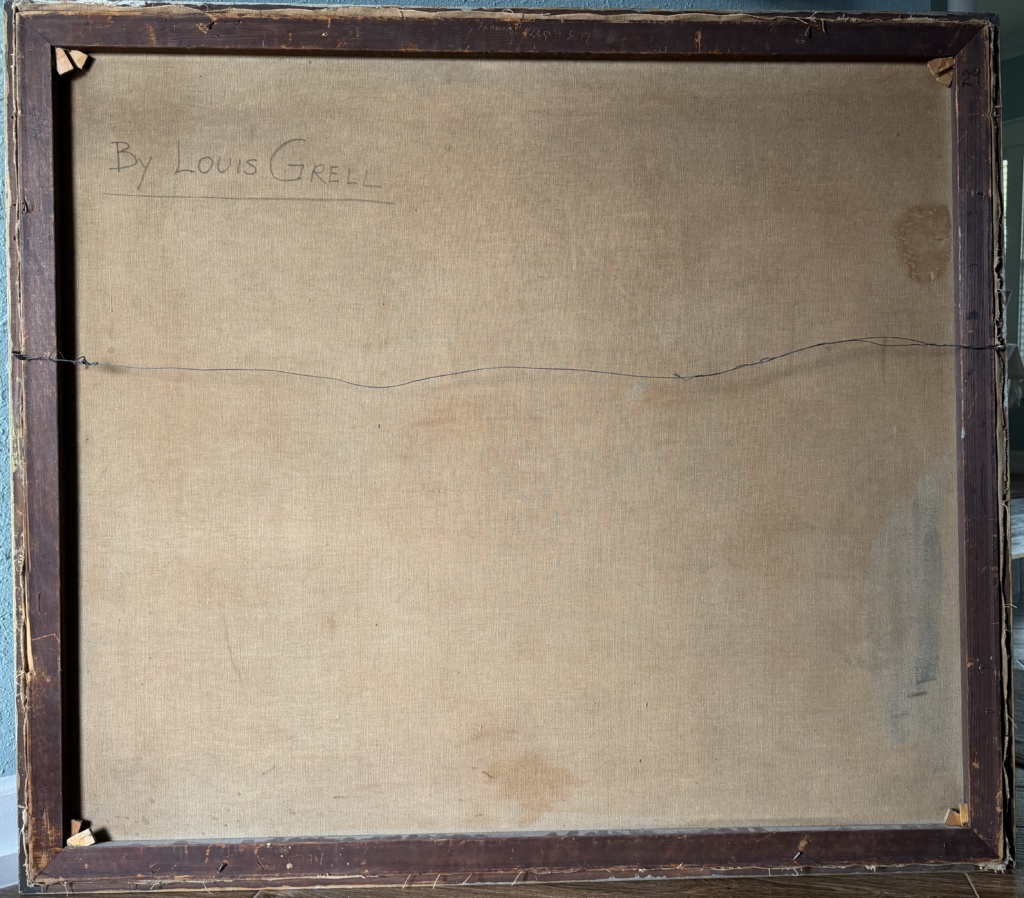
Verso inscription: “By Louis Grell”
